
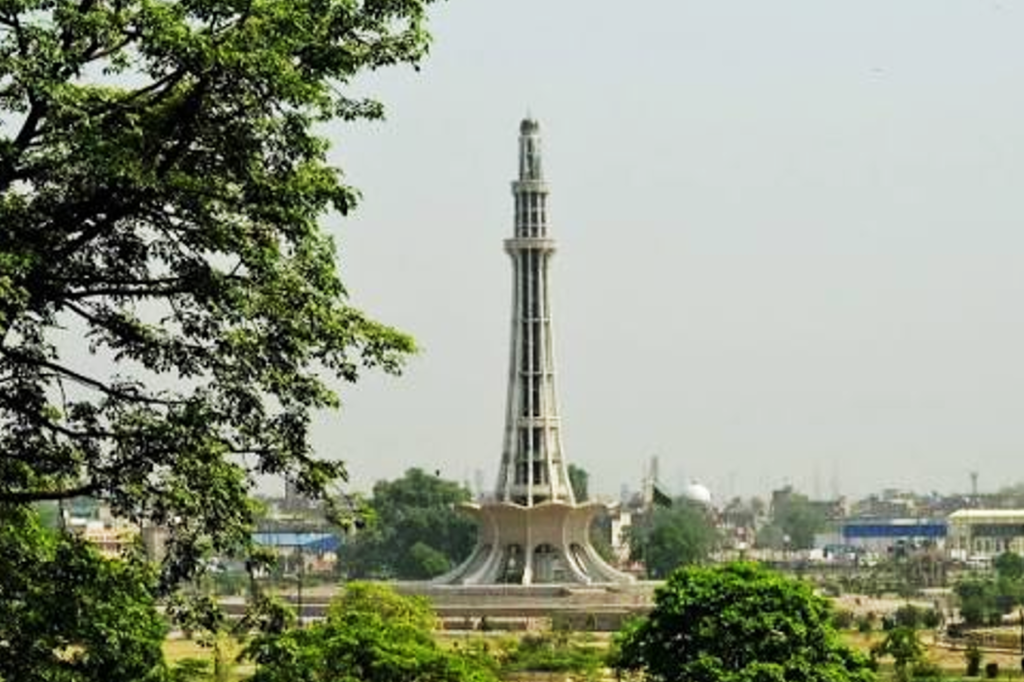
Transportation in Lahore plays a central role in the movement of people, goods, businesses, and commercial activities throughout the city and across Pakistan. As one of the country’s largest urban and commercial centres, Lahore has a continuously active transportation network connecting residential areas, industrial zones, wholesale markets, warehouses, business districts, and major highways. The city’s location in Punjab also makes it an important link between northern and central Pakistan and other provinces. Every day, large quantities of agricultural products, manufactured goods, construction materials, machinery, household items, garments, food products, and commercial consignments enter and leave Lahore. This constant movement creates a strong demand for dependable goods transportation services capable of handling different types of cargo and delivering it safely to destinations such as Quetta and other parts of Balochistan. Lahore’s road network provides access to major national routes, allowing freight vehicles to move between the city and distant markets while supporting trade and supply chains. For businesses, transportation is not simply a means of moving products; it is an essential part of maintaining regular commercial operations, meeting customer requirements, controlling inventory, and ensuring that goods reach their destination within an acceptable timeframe. Efficient transportation therefore contributes directly to the economic activity of Lahore and strengthens connections between the city and markets across Pakistan.
Road transportation is particularly important for freight movement from Lahore because it provides flexibility that is difficult to achieve through other modes of transport. Goods vehicles can collect consignments from factories, shops, warehouses, distribution centres, and private premises and transport them directly toward their required destination. This door-to-door capability is especially useful for businesses that need practical solutions for commercial cargo rather than transportation between fixed railway or terminal locations. Lahore has a large network of roads connecting different parts of the metropolitan area, while major highways provide onward access to other cities and provinces. For a goods transport company serving routes between Lahore and Quetta, road connectivity is especially significant because the journey involves long-distance movement through different regions and changing geographical conditions. Proper planning is required to select suitable routes, schedule vehicle departures, coordinate loading and unloading, and maintain communication throughout the transportation process. A professional freight operator must also consider the nature, quantity, size, and handling requirements of each consignment before arranging transportation. Careful coordination helps reduce unnecessary delays and supports the smooth movement of goods between suppliers, transporters, traders, and customers. Reliable road freight services also allow businesses to plan their purchases and deliveries with greater confidence, which is valuable for wholesalers, manufacturers, retailers, contractors, and other commercial customers.
Lahore Quetta Chiltan Goods Transport Company (Private) Limited can play an important role in supporting commercial transportation between Lahore and Quetta by providing a practical connection for businesses that need to move goods over long distances. The Lahore–Quetta route links two important commercial centres with different economic strengths and market requirements. Lahore serves as a major industrial, manufacturing, wholesale, and distribution centre, while Quetta is an important commercial gateway for Balochistan and surrounding markets. Goods transported along this corridor may include general merchandise, industrial supplies, packaged products, textiles, machinery, spare parts, household goods, and other legally transportable commercial consignments. Each shipment requires attention to loading, documentation, vehicle suitability, route planning, and delivery coordination. A transportation company serving this market can help customers by understanding their cargo requirements and arranging transportation according to the nature of the shipment. For long-distance freight, customers value reliability because delays can affect business commitments, production schedules, stock availability, and customer satisfaction. Consistent transportation services can also help businesses establish predictable supply arrangements between Lahore and Quetta. By maintaining an organized approach to freight handling and communication, a goods transport company can contribute to stronger commercial links between Punjab and Balochistan and support the movement of products across regional markets.
The transportation of goods from Lahore to Quetta requires attention to distance, road conditions, weather, vehicle performance, and the particular requirements of each shipment. Long-distance freight journeys may pass through areas with different terrain, traffic conditions, temperatures, and road environments, making responsible planning an important part of the transportation process. Vehicles need to be properly maintained so that they are suitable for extended journeys and capable of carrying their assigned loads safely. Loading is another important consideration because goods should be positioned and secured appropriately to reduce the possibility of damage during transit. Fragile, heavy, bulky, or specially packaged items may require additional care and suitable handling procedures. Clear documentation and accurate shipment information can also make the transportation process more organized. Customers generally expect their goods to be collected according to an agreed schedule, transported responsibly, and delivered to the intended destination with proper coordination. Communication between the transport company and customer can be valuable when circumstances change during a long journey. Providing updates about dispatch, transit, arrival, or delivery arrangements can improve transparency and help customers manage their own business operations. In this way, transportation becomes a coordinated service rather than simply the physical movement of cargo from one location to another.
Another important aspect of transportation in Lahore is the relationship between freight services and the city’s wider commercial ecosystem. Lahore contains numerous markets, industrial areas, warehouses, distribution points, and business centres that depend on a steady flow of goods. Retailers require products to maintain their shelves, manufacturers require raw materials and equipment, wholesalers require stock for distribution, and construction companies require materials at project locations. When transportation services operate efficiently, these different activities can continue with fewer interruptions. Freight companies also contribute to regional trade by connecting local businesses with customers and suppliers outside Lahore. The movement of goods toward Quetta and Balochistan is particularly significant for businesses seeking access to markets beyond Punjab. At the same time, products and commercial goods from Balochistan can be transported toward Lahore and other parts of the country, creating a two-way flow that supports trade and economic cooperation. A reliable transport provider can therefore become an important partner for businesses that regularly send or receive consignments. By offering organized booking, suitable vehicles, responsible handling, and delivery coordination, freight operators can help customers manage transportation requirements more efficiently. This is especially important for businesses that cannot afford repeated delays, poor communication, or uncertainty regarding the movement of their commercial goods.
Modern transportation services are increasingly influenced by customer expectations for reliability, transparency, efficiency, and professional communication. Customers want to know when their shipment has been collected, where it is being transported, and when it is expected to reach its destination. Although road transportation involves factors that cannot always be controlled, such as traffic, weather, road maintenance, and unexpected delays, effective planning can help reduce avoidable problems. Transportation companies can improve service quality by maintaining their vehicles, training drivers and staff, organizing shipment information, and communicating clearly with customers. Proper attention to loading and unloading can also reduce the risk of damage and help ensure that goods remain in suitable condition during transit. For a company operating between Lahore and Quetta, maintaining dependable service standards can help build long-term relationships with commercial customers. Businesses often prefer transportation partners that understand recurring requirements and can provide consistent support as shipment volumes change. Professional freight transportation is therefore based on more than the availability of vehicles; it involves coordination, responsibility, time management, customer service, and careful handling of cargo. As Lahore continues to grow as a major economic and commercial centre, the importance of organized goods transportation is expected to remain strong, particularly for routes connecting the city with distant regional markets.
Transportation in Lahore ultimately represents a vital part of the city’s connection with the rest of Pakistan, enabling goods to move between producers, suppliers, wholesalers, retailers, warehouses, and consumers. The Lahore to Quetta corridor demonstrates the importance of dependable road freight services in connecting Punjab with Balochistan and supporting commercial activity across considerable distances. Lahore Quetta Chiltan Goods Transport Company (Private) Limited can serve this need by focusing on organized freight movement, responsible cargo handling, suitable transportation arrangements, and effective communication with customers. For businesses, a dependable transport partner can make it easier to maintain stock, fulfil orders, coordinate supplies, and reach customers in other regions. The success of goods transportation depends on several connected factors, including vehicle condition, route planning, loading practices, scheduling, documentation, driver responsibility, customer coordination, and the ability to respond professionally to changing circumstances. As commercial activity continues to expand, efficient transportation will remain essential for strengthening supply chains and encouraging trade between cities and provinces. Lahore’s position as a major commercial centre gives it a continuing role in national freight movement, while Quetta provides an important connection to the markets and communities of Balochistan. Through reliable road transportation, these markets can remain connected and businesses can move their goods with greater confidence. A professional approach to freight transportation ultimately supports not only individual customers but also the broader economic network that depends on the timely and secure movement of goods throughout Pakistan.